Choosing the right drywall thickness is one of the most important decisions in any remodeling or construction project. The thickness of the gypsum board directly affects the strength, soundproofing, durability, and long-term performance of your walls and ceilings. At AJF Painting & Drywall Corp, we guide homeowners across Westchester County, NY and Fairfield County, CT in selecting the correct material from the very start so the final finish looks smooth, strong, and built to last.
Understanding Gypsum Board Thickness
Different rooms and structural conditions call for different drywall thicknesses. Each thickness has a specific purpose, and choosing the wrong one can lead to sagging ceilings, cracks, noise transfer, or failed inspections. Here’s what you need to know:
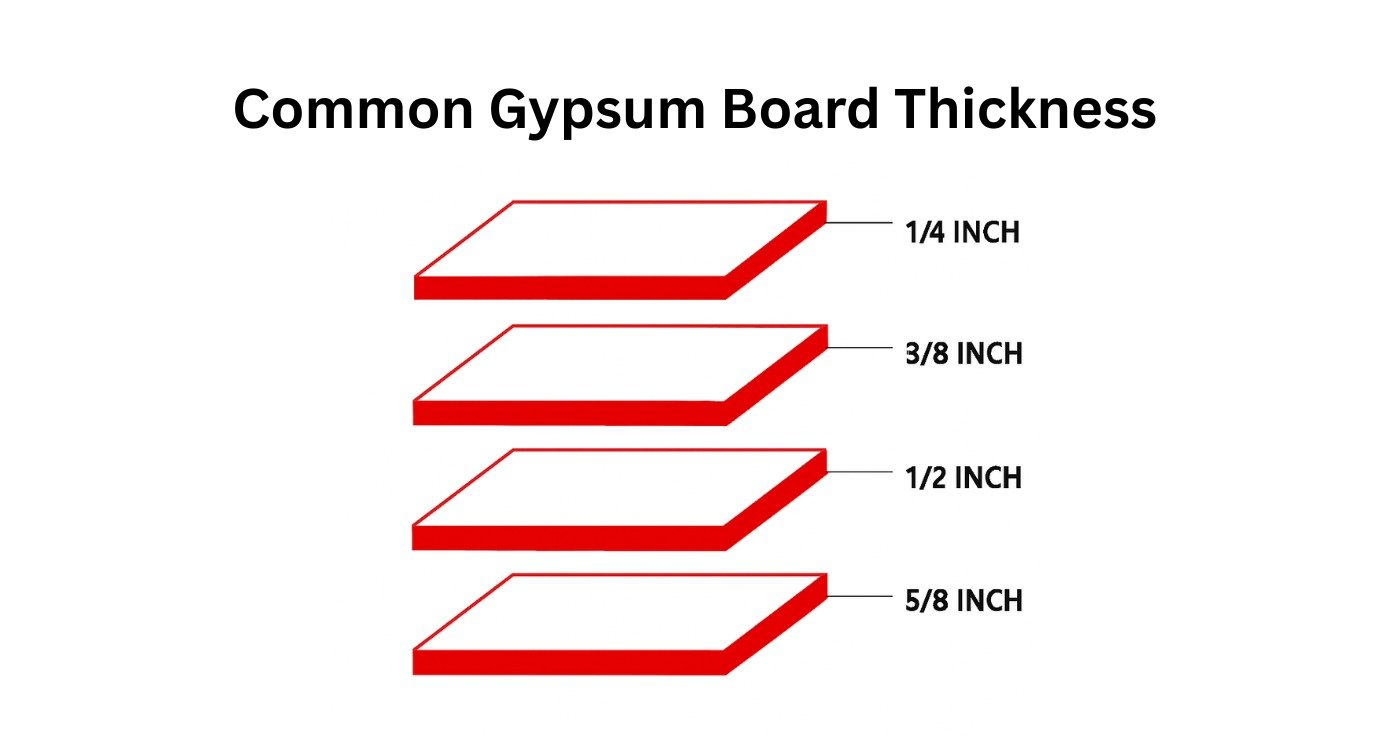
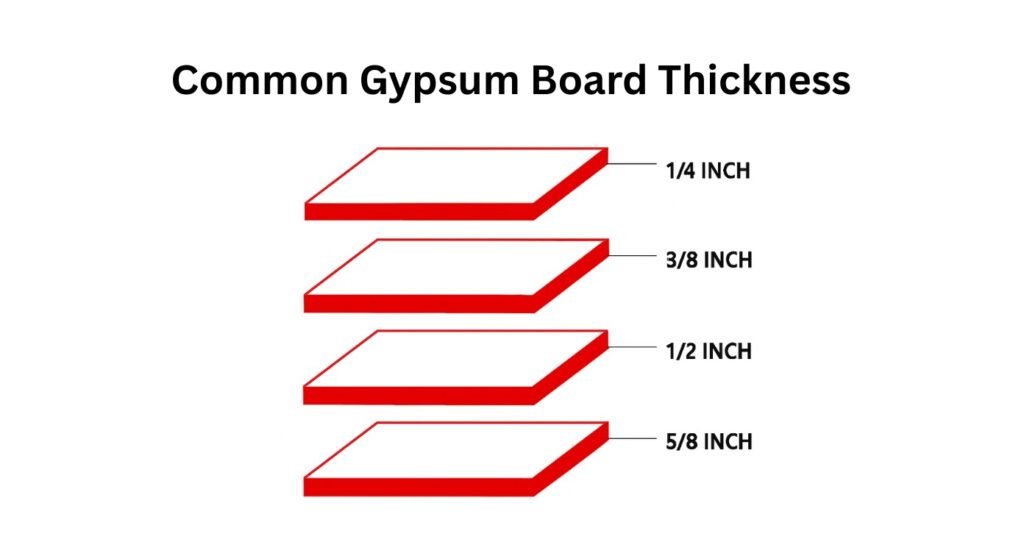
1/4-Inch Drywall
Used for lightweight applications where flexibility is needed.
Best for:
- curved walls
- overlays on existing walls
- light resurfacing without demolition
This thin board bends easily, making it ideal for shaping curves or refreshing old surfaces.
3/8-Inch Drywall
Less common today but still used when matching older walls.
Best for:
- patchwork
- repairs in older homes
- areas where original walls were 3/8″
Great for blending seamlessly into historic properties.
1/2-Inch Drywall (Standard Wallboard)
The most common thickness for interior spaces.
Best for:
- standard walls
- standard ceilings
Provides a good balance of strength and weight for everyday use.
5/8-Inch Drywall (Fire-Rated & Sound-Reducing)
Thicker, stronger, and required in many areas.
Best for:
- ceilings
- basements
- garages
- multi-family homes
- rooms needing sound reduction
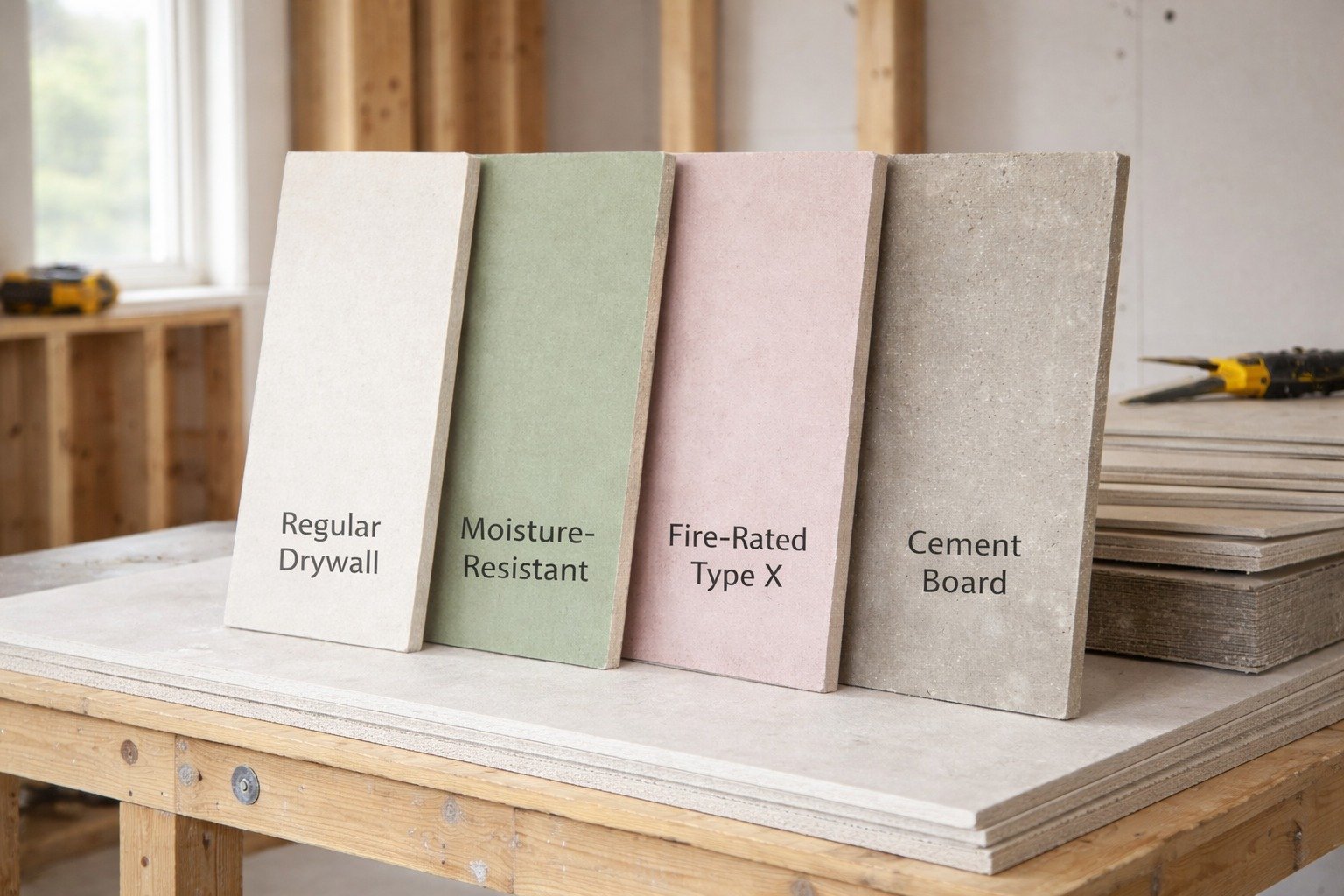
This board resists sagging and offers better fire protection. Many towns require 5/8-inch in garages or fire-rated assemblies.
Why Gypsum Board Thickness Matters
Drywall thickness affects how your home feels and functions. The correct thickness offers:
- stronger walls and ceilings
- reduced noise between rooms
- improved fire resistance
- longer-lasting performance
- better structural integrity
Using the right thickness prevents problems before they start — something homeowners truly appreciate once the project is complete.
Frequently Asked Questions
Does thicker drywall improve soundproofing?
Yes. 5/8-inch drywall significantly reduces sound transfer between rooms.
Can different drywall thicknesses be used in the same house?
Absolutely. Homes often use 1/2-inch for walls and 5/8-inch for ceilings or fire-rated areas.
Is 5/8-inch always required for ceilings?
Not always, but it is recommended to prevent sagging — especially in rooms with insulation.
Can AJF help determine the correct thickness for my project?
Yes. We evaluate every room and recommend the best option based on safety, durability, and local code requirements.